
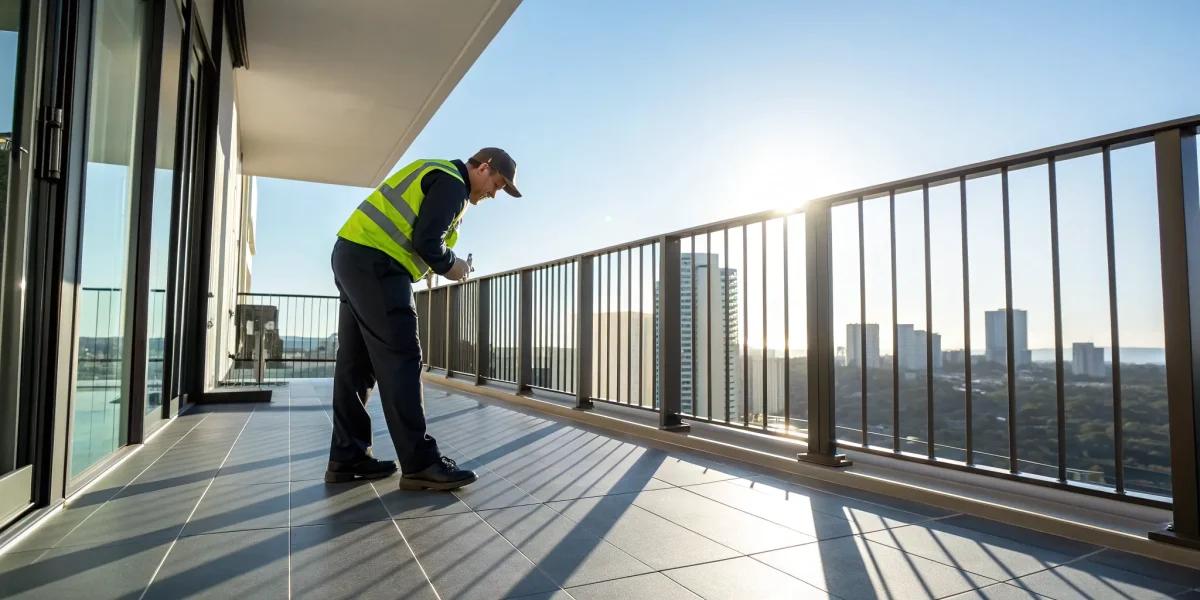
The most expensive repair is almost always the one you didn’t see coming. For multi-family properties, balconies represent a significant liability if they aren’t properly maintained. A small, hidden crack or a minor waterproofing issue can quickly escalate into a massive structural failure, costing tens of thousands in repairs and exposing you to legal action. Proactive inspections are your best defense against these catastrophic costs. By investing in regular apartment balcony inspection services, you catch problems when they are small and manageable. This guide explains the process, legal requirements, and costs, showing you how this essential service is a smart financial decision that protects your investment for the long run.
Key Takeaways
- Prioritize Proactive Inspections for Safety and Savings: Regular balcony checks are a non-negotiable part of property management that ensures resident safety, fulfills legal duties, and prevents small fixes from turning into major structural failures.
- Understand Both Legal Deadlines and Property-Specific Risks: While laws like California’s SB 721 set the minimum frequency, your building’s age, materials, and climate dictate its true needs; create a custom schedule for the best protection.
- Choose a Qualified Inspector and Act on Their Report: A certified professional provides a clear action plan, not just a pass/fail grade. Use their detailed findings to schedule repairs immediately, protecting your investment from fines and escalating damage.
What Is a Balcony Inspection and Why Do You Need One?
A balcony inspection is a thorough evaluation of a building’s elevated exterior elements—think balconies, decks, porches, and walkways. A certified professional examines these structures to ensure they are safe, structurally sound, and compliant with local building codes. You can think of it as a crucial health check-up for the parts of your property that are constantly exposed to the elements.
For property managers, homeowners associations (HOAs), and building owners, these inspections are not just a suggestion; they are a fundamental responsibility. They serve three critical purposes: ensuring the safety of residents, meeting legal and regulatory requirements, and protecting the long-term value of your property. Understanding why you need an inspection is the first step toward responsible property management and ensuring the well-being of everyone who uses these spaces.
Keep residents safe
The primary reason for any structural inspection is safety. Balconies and decks seem permanent, but they are vulnerable to wear and tear from weather exposure. Over time, issues like water intrusion, wood rot, and metal corrosion can weaken a balcony’s structure, often in ways that aren’t visible to the untrained eye. A small crack or a bit of rust might seem minor, but it could be a sign of a much larger problem lurking beneath the surface.
A professional inspection identifies these potential hazards before they can lead to a catastrophic failure. By catching problems early, you can perform necessary repairs and prevent accidents that could cause serious injury or worse. Regular inspections provide peace of mind, assuring you and your residents that these outdoor spaces are safe to enjoy.
Meet legal requirements
In many areas, balcony inspections are mandated by law. California, for example, passed Senate Bills 721 and 326, which require regular safety checks for balconies and other elevated elements in multi-family housing units. These laws were enacted in response to tragic balcony collapses and are designed to prevent future incidents. Building owners in these jurisdictions must hire a qualified professional, like a licensed architect or engineer, to perform SB 721 inspections and certify the safety of their structures.
Failing to comply with these legal requirements can result in significant fines, legal liability, and even condemnation of the property. Staying on top of mandatory inspections isn’t just about following the rules; it’s about demonstrating due diligence and protecting your investment from legal and financial risks.
Protect your property’s value
Your property is a significant financial asset, and proactive maintenance is key to preserving its value. Balcony inspections are a vital part of that maintenance plan. Deferred repairs are always more expensive than preventative ones. An inspection might reveal a minor waterproofing issue that can be fixed for a modest sum, saving you from a full-scale structural repair costing tens of thousands of dollars down the line.
Furthermore, a history of regular inspections and a clean bill of health can be a major asset when selling a property or securing insurance. For real estate professionals and potential buyers, documented proof of a building’s structural integrity provides confidence and can streamline transactions. Neglecting inspections, on the other hand, can lead to visible decay, code violations, and a damaged reputation, all of which can significantly decrease your property’s market value.
Know the Law: Balcony Inspection Requirements
Balcony safety isn’t just a best practice; in many places, it’s the law. These regulations are designed to prevent structural failures and protect residents, making compliance a critical responsibility for property owners and managers. Failing to meet these legal standards can lead to serious consequences. Whether you’re in California, where specific laws are in place, or another state with its own set of rules, knowing your legal obligations is the first step in responsible property management.
A look at California’s SB 721 and SB 326
California has some of the most specific balcony inspection laws in the country, and they serve as a good example of what property owners should expect. Senate Bill 721 (SB 721) applies to buildings with three or more apartment units. It requires inspections of all exterior elevated elements—including balconies, decks, and stairways—every six years. The first inspection deadline is January 1, 2025.
For condominium complexes and HOAs, Senate Bill 326 (SB 326) sets the rules. This law mandates a similar inspection every nine years, with an initial deadline of January 1, 2025. Both laws require a licensed architect, engineer, or qualified contractor to perform the inspection. NRCIA provides certified inspectors who can handle California SB 721 inspections to ensure your property is compliant.
Inspection laws in your state
If your property is outside of California, don’t assume you’re off the hook. Many states and cities have their own building codes and ordinances that require periodic inspections of balconies and other elevated structures. These laws can vary widely, so it’s important to check with your local building authority to understand the specific requirements in your area. A certified inspector who is familiar with regional regulations can be an invaluable resource. They can help you understand what the law demands, from inspection frequency to the specific structural elements that need to be checked. Staying informed is the best way to ensure you’re meeting all local safety standards.
What happens if you miss a deadline?
Ignoring or delaying a legally required balcony inspection is a risky move. The consequences can range from warnings and fines to a lien being placed on your property if necessary repairs aren’t made in a timely manner. Beyond the financial penalties, you could face significant legal trouble if an accident occurs on an uninspected or poorly maintained balcony. Procrastination also tends to make problems worse. A small issue that could have been a simple fix can become a major, expensive repair project if left unaddressed. These penalties can impact a wide range of property stakeholders, from the owner to the tenants, making proactive compliance the smartest and safest approach.
What to Expect During a Professional Balcony Inspection
Knowing what happens during a balcony inspection can help you feel prepared and understand the value of the service. A certified inspector doesn’t just do a quick visual scan; they perform a detailed assessment of every component to ensure the structure is safe and sound. They follow a systematic process to check for everything from major structural flaws to minor issues that could become serious problems down the road. This thorough approach is designed to protect residents, maintain property value, and ensure you meet legal standards, like those required for California SB 721 inspections. Let’s walk through the key steps a professional inspector will take.
Checking the structural basics
First, your inspector will assess the balcony’s fundamental stability. Think of this as checking the skeleton of the structure. They will make sure the platform is plumb (straight up and down), level (flat), and square to the building. Any leaning, sagging, or unevenness is a red flag that could point to a serious structural problem. They’ll also examine how the balcony is attached to the main building, as this connection is critical for its strength. A secure connection ensures the balcony can handle its intended load without pulling away from the wall. This foundational check is the most important step in confirming the balcony is safe for use.
Spotting common signs of damage
Next, the inspector will look for visible signs of deterioration. They will check all parts of the platform for signs of wear, rot, rust, or other damage caused by weather. Different materials show wear in different ways—wood can rot and splinter, metal can rust and corrode, and concrete can crack and spall. An experienced inspector knows exactly what to look for on each surface. Sometimes, they’ll do more than just look; gently poking the material can reveal if it’s still solid or if it has become soft and compromised. This hands-on approach helps identify decay that might not be obvious at first glance, catching problems before they become safety hazards.
Finding hidden water damage
Water is one of the biggest threats to any exterior structure, and balconies are no exception. An inspector will carefully look for water stains or standing water, especially if the platform has carpets or other coverings that can trap moisture. Water intrusion can lead to wood rot, corrode metal reinforcements, and weaken the entire structure from the inside out. Because water damage can be hidden, inspectors are trained to spot subtle clues, like discoloration, peeling paint, or efflorescence (a white, powdery substance on concrete). Identifying and addressing water issues early is key to preventing costly repairs and maintaining the balcony’s integrity, a principle we at NRCIA apply to our LeakFREE® protection.
Making sure safety features are up to code
A balcony is only as safe as its safety features, so your inspector will pay close attention to the guardrails. According to building codes, guardrails should be at least 42 inches tall from the platform floor to prevent accidental falls. The inspector will also test their strength. Guardrails must be strongly attached and able to withstand at least 200 pounds of side pressure without moving. They’ll check the spacing between balusters (the vertical posts) to make sure it’s narrow enough to prevent a small child from squeezing through. These standards aren’t arbitrary; they are legally mandated safety measures designed to protect residents and guests.
How inspectors document their findings
After the physical inspection is complete, you’ll receive a detailed report. This isn’t just a simple pass-or-fail checklist. A professional report will include photos, test results, and a clear explanation of any issues that were found. Most importantly, it will state if any part of the balcony is an immediate danger and requires urgent attention. This documentation is your official record of the inspection and serves as a guide for any necessary repairs. At NRCIA, we use specialized inspection software to create comprehensive reports that give you a clear, actionable overview of your property’s condition, helping you plan and prioritize maintenance effectively.
How Often Should You Schedule a Balcony Inspection?
Figuring out the right inspection schedule for your property’s balconies isn’t just about checking a box—it’s about ensuring safety and protecting your investment. While local laws set the minimum frequency, factors like your building’s age, construction materials, and even the local climate play a huge role in how often you should have a professional take a look. Think of it as a regular health checkup for your building. A consistent inspection schedule helps you catch small issues before they become dangerous and expensive structural problems. It’s a proactive approach that keeps residents safe, maintains property value, and gives you peace of mind.
The key is to create a timeline that meets legal standards while also addressing the specific needs of your property. For some buildings, the state-mandated schedule is perfectly fine. For others, especially older properties or those in harsh weather environments, more frequent checks are a smart move. By understanding both the legal requirements and the risk factors unique to your building, you can establish an inspection routine that truly protects your property and the people who live there.
How often the law requires inspections
Legal requirements for balcony inspections vary by state and city, so it’s crucial to know the specific laws that apply to your property. California, for example, has strict regulations. SB 721 applies to apartment buildings with three or more units and mandates a professional inspection of exterior elevated elements, including balconies, every six years. Meanwhile, SB 326 targets condo associations and HOAs, requiring inspections every nine years. The first deadline for these inspections is fast approaching, so it’s important to get them scheduled.
These laws were put in place to prevent structural failures and keep residents safe. Missing a deadline can lead to penalties and liability issues, so staying on top of your legal obligations is non-negotiable. If you manage property in California, understanding the specifics of SB 721 inspections is the first step toward compliance. For property managers elsewhere, checking with your local building authority will clarify your responsibilities.
Scheduling extra checks based on risk
While laws provide a baseline, you might need inspections more often depending on your building’s specific situation. Waiting six or nine years between checks isn’t always the safest bet. Even well-maintained properties can develop hidden problems due to the original construction, poor-quality materials, or constant exposure to the elements. Regular checks help you find these issues before they escalate into major safety hazards or costly repairs.
Consider factors like your building’s age, the materials used in construction (wood structures are more vulnerable to rot and pests), and your local climate. Properties in coastal areas with salty air or regions with heavy rain and snow should be inspected more frequently. High-traffic balconies also experience more wear and tear. Scheduling extra inspections based on these risks is a proactive strategy that demonstrates due diligence and a commitment to resident safety.
Recommended maintenance checks
Between professional inspections, you can perform your own routine maintenance checks to spot potential problems early. These visual once-overs don’t replace a certified inspector’s assessment, but they can help you identify developing issues. A few times a year, walk the property and look for clear signs of wear and tear. Check for rust on metal railings, cracks in the concrete or wood, and any loose railings or floorboards.
Also, pay attention to how water is behaving. Make sure drainage systems are clear and that there’s no pooling water on balcony surfaces after it rains, as this can lead to water intrusion and rot. Documenting any changes you see, even minor ones, can provide valuable information for your next professional inspection. These simple maintenance checks are an easy way to stay on top of your property’s condition and support a LeakFREE® roof protection strategy for all exterior elements.
How to Choose the Right Balcony Inspector
Finding the right inspector for your property’s balconies is a critical decision. You’re not just checking a box for compliance; you’re entrusting them with the safety of your residents and the structural integrity of your building. The quality of inspectors can vary widely, so it’s worth taking the time to vet your options carefully. A thorough, experienced professional will give you a clear picture of your property’s condition and a solid plan for any necessary repairs, while a less qualified one could miss critical issues that put people at risk and leave you liable. Think of this as hiring a partner in property safety—you want someone with the right credentials, a proven track record, and a transparent process. This means looking beyond a simple price quote and digging into their qualifications, experience, and how they communicate. The goal is to find a professional who not only identifies problems but also helps you understand them, making the path to resolution clear and manageable. Taking these extra steps upfront will save you from potential headaches, unexpected costs, and serious safety concerns down the road.
Look for proper certification and licensing
The first thing you should always verify is an inspector’s credentials. For balcony and exterior elevated element (EEE) inspections, this isn’t just a suggestion—it’s often a legal requirement. Inspectors must be licensed professionals, such as structural engineers or licensed architects, who have the technical expertise to assess structural safety. Don’t hesitate to ask for their license number and verify it with the state board. Beyond a state license, look for specialized inspector training and certifications. These show a commitment to staying current with industry standards and complex regulations, ensuring they have the specific skills needed for the job.
Check their experience and reputation
When it comes to structural safety, experience matters. You want an inspector who has a deep understanding of local building codes and a history of performing inspections similar to yours. If you’re in California, for example, you should pick a company that knows the ins and outs of SB 721 and SB 326. Ask potential inspectors about their experience with these specific laws and with buildings of a similar age and construction style to yours. You can also gauge their reputation by reading online reviews, checking their Better Business Bureau rating, and asking for references from past clients. A reputable inspector will be happy to share their track record.
Confirm they have insurance coverage
An inspection is a hands-on job, and accidents, though rare, can happen. That’s why you must make sure the company has adequate insurance coverage, including general liability and worker’s compensation. This protects you and your property from financial responsibility if something goes wrong during the inspection, like accidental property damage or an injury to an inspector. Before signing a contract, ask for a certificate of insurance and confirm that the coverage is current. This is a standard business practice, and any professional company will provide this documentation without issue. It’s a simple step that provides significant peace of mind.
Ask for clear pricing and detailed reports
Transparency is a key sign of a trustworthy inspector. Before any work begins, you should receive a detailed quote that outlines all costs upfront, with no hidden fees. Be wary of any bids that are significantly lower than others, as they may cut corners. Just as important is the final report. Ask for a sample report to see what you can expect. A quality report is more than a simple pass/fail checklist; it should include detailed descriptions of their findings, high-resolution photos, and clear, actionable recommendations for any required repairs. Professional inspection software helps inspectors create these comprehensive and easy-to-understand documents.
Find an expert in local regulations
While state laws like California’s SB 721 set the baseline, building codes and permit requirements can vary from one city or county to the next. A truly qualified inspector will be an expert in these local nuances. Choose a company that understands the specific building rules and permit processes in your area. This local expertise is invaluable for ensuring your inspection and any subsequent repairs are fully compliant, saving you from potential fines, delays, and headaches with your local building department. An inspector who is active in your community will have established relationships and a clear understanding of what local officials expect.
Types of Balcony Inspection Services
Not all balcony inspections are the same. Depending on your situation—whether you’re managing a new building, preparing for a sale, or just keeping up with maintenance—you’ll need a specific type of service. Understanding the differences helps you schedule the right inspection at the right time, ensuring you meet legal standards and keep your property safe. Each type of inspection serves a distinct purpose, from initial safety verification to ongoing health checks that protect your investment and your residents. Let’s walk through the main types of balcony inspection services you’re likely to encounter.
Initial compliance inspections
Think of an initial compliance inspection as the first official check-up for a balcony on a new or recently renovated building. Before anyone steps foot on it, this inspection confirms that the structure was built correctly and meets all local building codes and safety regulations. For example, the California Balcony Inspection Law mandates these checks for multi-family properties to verify structural integrity from day one. This isn’t just about ticking a box; it’s a fundamental step to identify and fix any potential hazards before residents move in, setting a strong foundation for long-term safety and preventing future problems.
Routine maintenance inspections
Routine maintenance inspections are your property’s regular health check. Scheduled at set intervals, these assessments are designed to catch small issues before they become big, expensive headaches. An inspector will look for common signs of aging, like wear and tear, water damage, rust, or cracks that could weaken the balcony over time. Following a comprehensive checklist, they evaluate everything from structural supports and railings to drainage systems. Consistent, proactive inspections are the key to extending the life of your balconies, ensuring ongoing safety, and protecting your property’s value.
Pre-sale property inspections
When you’re preparing to sell a property, a pre-sale balcony inspection can be a smart move. This assessment gives you a clear picture of the balcony’s condition, allowing you to address any necessary repairs beforehand. For sellers, this transparency can make the property more attractive and potentially increase its value. For buyers, it provides crucial peace of mind, assuring them that the structure is safe and sound. A detailed report from a pre-sale inspection helps streamline negotiations and builds trust, making for a smoother transaction for everyone involved. This is especially useful for property managers looking to prepare a building for the market.
Insurance-required assessments
Sometimes, your insurance provider will be the one asking for a balcony inspection. Insurers often require these assessments to manage their risk and confirm that a property meets specific safety standards. By mandating regular inspections, they ensure you’re actively maintaining the building and reducing the likelihood of accidents. For property owners, completing these assessments is essential for maintaining coverage and avoiding potential liability issues. Having documented proof of professional inspections shows you’re a responsible property owner and helps ensure you’re compliant with both your policy and local regulations.
How to Prepare for a Balcony Inspection
A little preparation can make your balcony inspection go much more smoothly. Taking a few simple steps beforehand helps your inspector work efficiently and ensures you get a thorough, accurate assessment of your property. Think of it as setting the stage for a successful inspection—it saves time, reduces stress, and helps you get the clear answers you need to keep your building safe and compliant.
Simple steps to take beforehand
The most important step is to act early. Don’t wait until the last minute to get your balcony inspected, especially if you have a legal deadline approaching. Booking an inspection well in advance gives you a buffer to handle any repairs without the stress of a time crunch. Before the inspector arrives, do a quick walkthrough and clear all balconies of furniture, plants, and other personal items. This gives the inspector clear, unobstructed access to every surface. It’s also a good idea to notify your residents about the date and time of the inspection, giving them as much notice as possible so they can prepare their space.
Get your paperwork in order
Having your documents organized is a simple way to help your inspector get a complete picture of your property’s history. Gather any relevant paperwork you have on hand, such as blueprints, permits, and records of past repairs or maintenance. If you’ve had previous inspections, make those reports available as well. This information provides valuable context and can help the inspector identify recurring issues or track the performance of past repairs. As the building owner, you are responsible for covering the cost of the inspection and any required follow-up work, so having a clear understanding of your property’s condition from the start is key to effective financial planning.
Plan for access and scheduling
A smooth inspection day often comes down to good logistics. Coordinate with your inspector to confirm the schedule and make a plan for accessing all the necessary areas. This includes providing keys or access codes for gates and common areas. You’ll also need to arrange access to individual units, so clear communication with residents is essential. When you hire an inspector, make sure you choose a certified professional who understands the specific requirements in your area. For example, property owners in California need an expert for their SB 721 inspections to ensure the building meets all legal standards from the start.
What Happens After the Inspection?
Once the inspector leaves, the real work begins. The inspection is the diagnostic step; what comes next is about understanding the results and taking the right actions to ensure your property remains safe and compliant. This process involves carefully reviewing the report, planning any necessary repairs, and acting promptly to avoid bigger problems down the road. Let’s walk through how to handle the post-inspection phase so you can feel confident in your next steps.
How to read your inspection report
Think of your inspection report as a detailed health record for your balconies. It’s more than just a simple pass or fail grade. A thorough report will clearly outline the condition of each structure, highlighting areas that are in good shape and flagging any that need attention. You’ll find descriptions of any damage, decay, or potential water intrusion, usually accompanied by photos for clear reference. The report will also provide recommendations, letting you know if immediate repairs are critical or if further evaluation is needed. Pay close attention to the summary, which gives you the high-level overview, but be sure to read the detailed findings to understand the full picture of your property’s condition.
Creating a plan for repairs
If your report identifies issues, the next step is to create a clear action plan. Start by prioritizing the recommended repairs based on urgency—safety hazards should always come first. For any significant work, you’ll need to bring in qualified and licensed contractors to provide quotes. Be sure to get multiple bids to ensure a fair price. Your repair plan should also account for any necessary permits required by your local municipality, as this is a crucial step for compliance. For property managers and building owners, having a documented plan shows due diligence and a commitment to resident safety. The NRCIA works with many property stakeholders to help them through this process.
The risks of delaying repairs
Putting off balcony repairs is a gamble you don’t want to take. What might seem like a small issue, such as minor water staining or a few cracks, can quickly escalate into a major structural problem. A small repair that might cost a few thousand dollars can balloon into a massive expense if moisture is allowed to cause widespread wood rot or concrete degradation. Beyond the financial costs, delaying repairs carries significant legal and safety risks. You could face hefty fines for non-compliance with local laws, like California’s SB 721, and your liability skyrockets if an accident occurs. Acting quickly protects your investment, your residents, and your peace of mind.
Understanding the Cost of a Balcony Inspection
When you’re managing a property, the budget is always top of mind. A balcony inspection is an essential line item, but it’s more than just an expense—it’s an investment in safety, compliance, and the long-term value of your building. The cost can vary, but understanding the factors that shape the price will help you plan effectively and see the clear return on this crucial service. Think of it as proactive protection for both your residents and your bottom line. By getting ahead of inspections, you’re not just meeting a requirement; you’re making a smart financial decision that prevents much larger costs down the road.
What influences the final price?
There isn’t a flat rate for balcony inspections because every property is unique. The biggest factor influencing the cost is the size and type of your building. For instance, inspecting a single balcony on a small apartment will cost less than a multi-unit complex with dozens of balconies. The complexity of the structures also plays a role; intricate designs or hard-to-reach areas may require more time and specialized equipment. Your location matters, too, as rates can differ from one city to another. Finally, the inspector’s qualifications are key. A highly experienced, certified inspector may charge more, but their expertise ensures a thorough, reliable assessment that stands up to scrutiny.
How to budget for inspections
The best way to handle the cost of a balcony inspection is to plan for it. Instead of scrambling when a legal deadline is looming, incorporate inspections into your property’s annual maintenance budget. This approach turns a reactive expense into a predictable one. If you manage multiple properties or an HOA, building this cost into your yearly financial plan is a must. Start by getting quotes from a few different qualified inspectors to get a sense of the market rate in your area. This also gives you a chance to vet their credentials and find a professional you trust. Don’t wait until the last minute; scheduling in advance often gives you more flexibility and helps you avoid rush fees.
Weighing the cost of compliance vs. penalties
The fee for a professional inspection is minor when you compare it to the staggering costs of non-compliance. Pushing off an inspection to save a little money now can lead to major financial headaches later. For starters, missing a legally mandated deadline can result in significant fines from your local building authority. Even more costly, however, is the price of delayed repairs. A small issue like a cracked seal can allow water intrusion, turning a simple fix into a major structural problem. We’ve seen cases where a $15,000 repair bill swelled to $50,000—plus thousands in fines—all because of a delay. Investing in regular compliance inspections is the most effective way to protect your property from these preventable costs.
Related Articles
- SB 721 (Deck/Balcony) Inspections – NRCIA
- California’s Balcony and Deck Safety Laws SB721 SB326 :: NRCIA
- California’s Balcony and Deck Safety Bills SB721 SB326 :: NRCIA
- California’s Balcony and Deck Safety Laws SB721 SB326 :: NRCIA
- Mastering Senate Bill 721: California’s Balcony and Deck Inspection Law – NRCIA
Frequently Asked Questions
My property isn’t in California. Do I still need to worry about balcony inspections? Yes, absolutely. While California’s laws get a lot of attention, many other states and cities have their own building codes that require regular inspections of balconies and other elevated structures. These rules can vary quite a bit, so it’s a good idea to check with your local building authority to understand the specific requirements in your area. It’s best to think of this as a universal safety standard, not just a state-specific issue.
What happens if an inspector finds an immediate safety hazard? If an inspector discovers a condition that poses an immediate threat, such as severe structural decay, they are obligated to report it to you right away. In most cases, they will also notify the local code enforcement agency. The balcony or affected area will need to be closed off immediately to prevent access until emergency repairs are made to secure the structure. This is the most serious outcome of an inspection, which is why staying on a regular schedule is so important.
How long does a typical inspection take, and will it disrupt my residents? The duration really depends on the size of your property and the number of balconies. A small building might only take a few hours, while a large, multi-unit complex could take a full day or more. Professional inspectors are used to working in occupied buildings and do their best to minimize disruption. You can help make the process smoother by giving your residents plenty of advance notice and asking them to clear their balconies of furniture and personal items.
Can I just hire a general contractor to perform the inspection to save money? For legally required inspections, the law is very specific about who is qualified to perform them. Typically, you must hire a licensed architect, structural engineer, or another certified professional with specific qualifications. A general contractor or handyman, no matter how experienced, usually does not hold the necessary license to certify the structural safety of a balcony. Using an unqualified inspector means your report won’t be legally valid, leaving you non-compliant and at risk.
Besides meeting legal deadlines, is there a ‘wrong’ time of year to get a balcony inspection? While an inspection can technically be done at any time, scheduling it during a dry season is often best. Rain, snow, and ice can make surfaces slippery for the inspector and can also conceal subtle issues like cracks, water stains, or early signs of material decay. Planning your inspection for a period of good weather helps ensure the inspector can perform the most thorough and accurate assessment possible.
